Animal Cutting Practice Worksheet: A Strategic Tool for Fine Motor Development
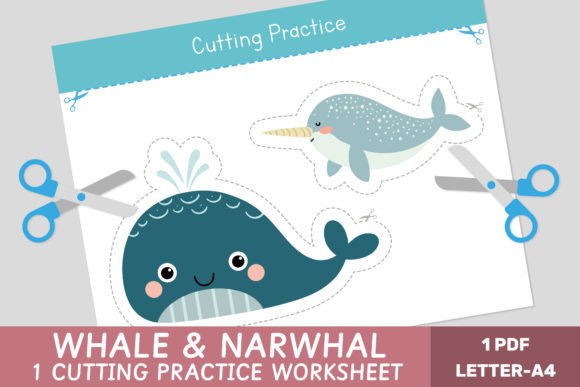
The Animal Cutting Practice Worksheet is a focused, hands-on activity designed to enhance fine motor skills in young learners. It offers a unique blend of educational value and creative engagement by allowing children to cut out detailed shapes of animals such as whales and narwhals. This worksheet is not just a simple craft project; it's a strategic tool that can be effectively integrated into various learning environments including homeschooling, classrooms, preschool centers, and even quiet time at home.
By incorporating this worksheet into your teaching or parenting routine, you are making a deliberate decision to support developmental milestones through structured play. The act of cutting requires precision, control, and coordination—skills that are foundational for writing, drawing, and other academic tasks. As an educator or parent, choosing the right activities is essential to achieving long-term learning outcomes and ensuring that each child progresses at their own pace.
Strategic Use of Animal Cutting Practice Worksheet
When considering the use of the Animal Cutting Practice Worksheet, it's important to align it with specific goals. Whether you're preparing for back-to-school time, planning a rainy day activity, or looking for ways to keep children engaged during quiet hours, this worksheet provides a practical solution. Its versatility makes it an excellent resource for educators and parents who want to maintain a balance between structured learning and creative expression.
The worksheet includes two size options: US Letter (8.5” x 11”) and A4 (210 mm x 297 mm). This flexibility allows users to choose based on their printing capabilities and needs. For best results, it is recommended to print on heavy cardstock paper using high-quality settings. This ensures durability and enhances the overall experience for the child, making the activity more engaging and effective.
Planning and Preparation
Before introducing the Animal Cutting Practice Worksheet, consider the following factors:
- Age Appropriateness: Ensure that the activity matches the developmental stage of the child. Younger children may need assistance with scissors, while older ones can handle more complex cuts.
- Materials: Invest in quality tools such as safety scissors and child-friendly glue to make the process smooth and safe.
- Time Allocation: Plan for adequate time to complete the task without rushing, which helps build patience and focus.
- Environmental Setup: Create a comfortable workspace with good lighting and minimal distractions to encourage concentration.
These considerations reflect a thoughtful approach to integrating the worksheet into your routine. They also highlight how strategic planning can maximize the benefits of the activity, ensuring that it supports both skill development and overall well-being.
Supporting Learning Objectives
The Animal Cutting Practice Worksheet goes beyond mere entertainment. It serves as a valuable tool for supporting several key learning objectives. Here's how it can contribute to different areas of development:
- Motor Skills: The act of cutting improves hand-eye coordination, finger strength, and dexterity. These are critical for future academic tasks like writing and typing.
- Cognitive Development: Following instructions, recognizing shapes, and understanding spatial relationships are all cognitive skills enhanced through this activity.
- Creativity and Imagination: Once the shapes are cut out, children can engage in imaginative play, creating stories or scenes featuring the whales and narwhals they've crafted.
- Focus and Concentration: Completing a detailed cutting task requires sustained attention, which helps build concentration skills that are beneficial across all learning domains.
These aspects demonstrate how the worksheet can be strategically used to support broader educational goals. By selecting activities that align with these objectives, educators and parents can ensure that learning is both meaningful and enjoyable.
Long-Term Benefits
While the immediate benefit of the Animal Cutting Practice Worksheet is the development of fine motor skills, its long-term impact extends further. Children who regularly engage in such activities tend to show improved performance in academic subjects that require manual dexterity. Additionally, the confidence gained from successfully completing a task like cutting out intricate shapes can translate into a positive attitude towards learning and problem-solving.
For educators, incorporating this worksheet into lesson plans can help differentiate instruction and provide opportunities for individualized learning. It allows for assessment of motor development and can be used as a formative evaluation tool to track progress over time.
Practical Implementation Tips
To get the most out of the Animal Cutting Practice Worksheet, here are some practical tips for implementation:
- Model the Activity: Demonstrate how to hold scissors correctly and guide the child through the steps if needed.
- Encourage Independence: Allow the child to take the lead once they understand the task, promoting autonomy and self-confidence.
- Provide Positive Reinforcement: Praise effort and progress rather than focusing solely on the final product. This reinforces a growth mindset.
- Integrate with Other Activities: Combine the worksheet with storytelling or art projects to create a multidisciplinary learning experience.
These strategies reflect a balanced approach to using the worksheet as part of a comprehensive educational plan. They emphasize the importance of intentionality in selecting and implementing activities that support both short-term and long-term goals.
Risks of Using Without Clear Goals
While the Animal Cutting Practice Worksheet is a valuable resource, it's important to recognize potential risks associated with its use without clear goals or context. Simply providing the worksheet without a purpose may result in limited engagement or missed developmental opportunities. To avoid this, it's crucial to align the activity with specific learning objectives and ensure that it fits within a broader educational framework.
Additionally, relying too heavily on one type of activity without variety can limit the scope of learning experiences. Therefore, it's advisable to use the worksheet as part of a diverse set of activities that cater to different learning styles and developmental needs.
In conclusion, the Animal Cutting Practice Worksheet is a strategic and practical tool that can significantly contribute to a child's development when used intentionally. By considering age appropriateness, planning carefully, and aligning the activity with broader educational goals, educators and parents can ensure that it delivers maximum value. This approach not only enhances fine motor skills but also fosters creativity, concentration, and a love for learning that can last a lifetime.